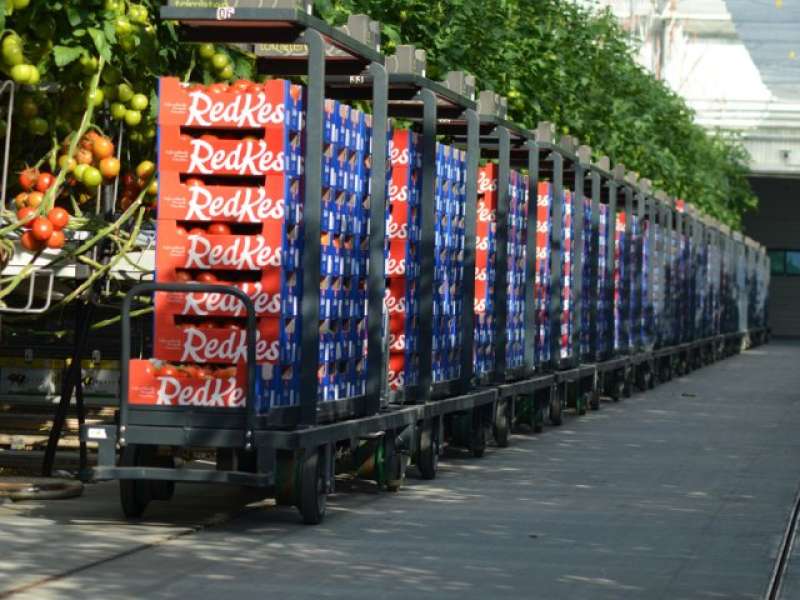
Product
The Grandice tomato variety was developed by De Ruiter Seeds / Monsanto. This large vine tomato is perfectly suited for sandwiches, soups, and salads.
Last year, half of the greenhouse was planted with the Merlice variety, but due to the excellent quality and strong growth performance, this year RED-KES chose to grow only one tomato variety: Grandice.
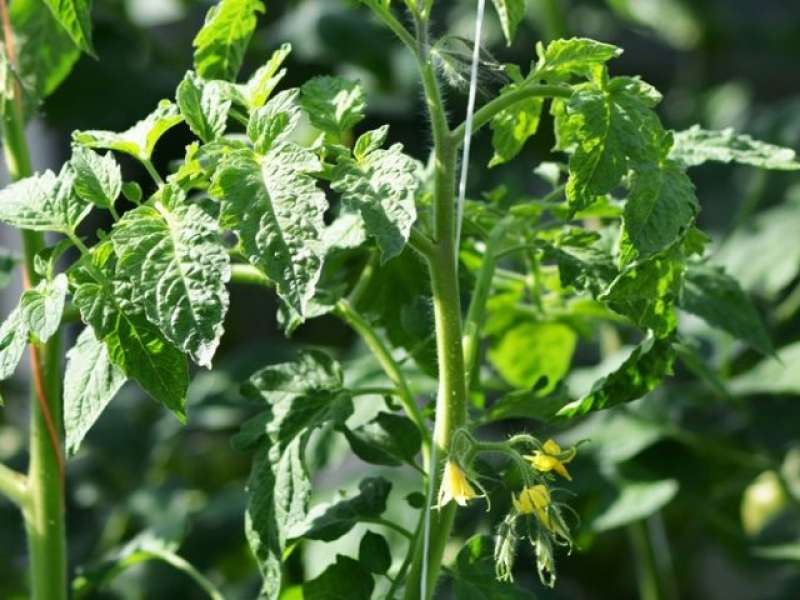
Large Segment
Theo adds: “Grandice is a high-quality variety in the large tomato segment. It is a popular, glossy red vine tomato variety developed by De Ruiter Seeds. The variety is known for its large fruit quality, with tomatoes averaging between 160 and 180 grams each.
Grandice is equipped with strong built-in resistance against the highly contagious Tomato Brown Rugose Fruit Virus (ToBRFV). On average, each plant produces eight to nine trusses, with five tomatoes per truss.
Due to this crop load, Grandice comes into production slightly later, as it is a somewhat slower-growing variety, but it offers many advantages in return.”
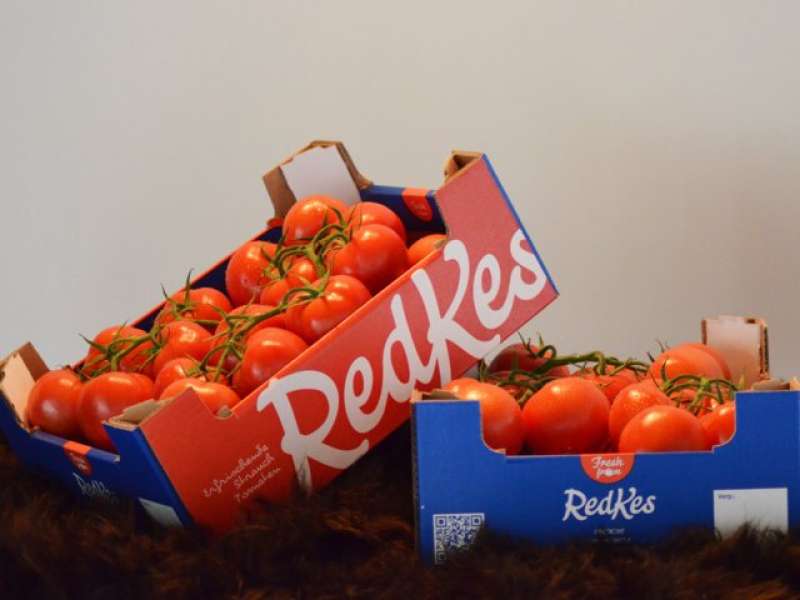
Harvesting
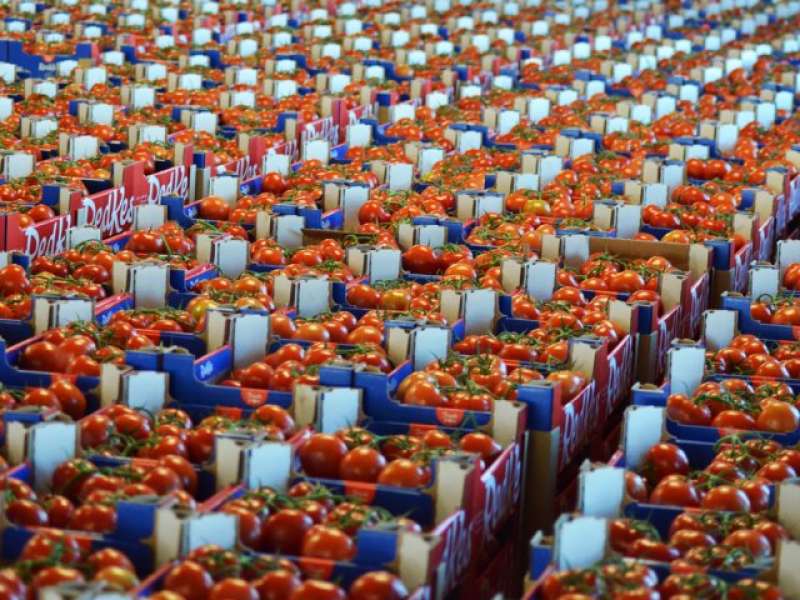
Every day, the vine tomatoes are harvested by a large team of employees. Harvesting takes place from mid-March until the end of November. The busiest period is during the summer months, from June through August.
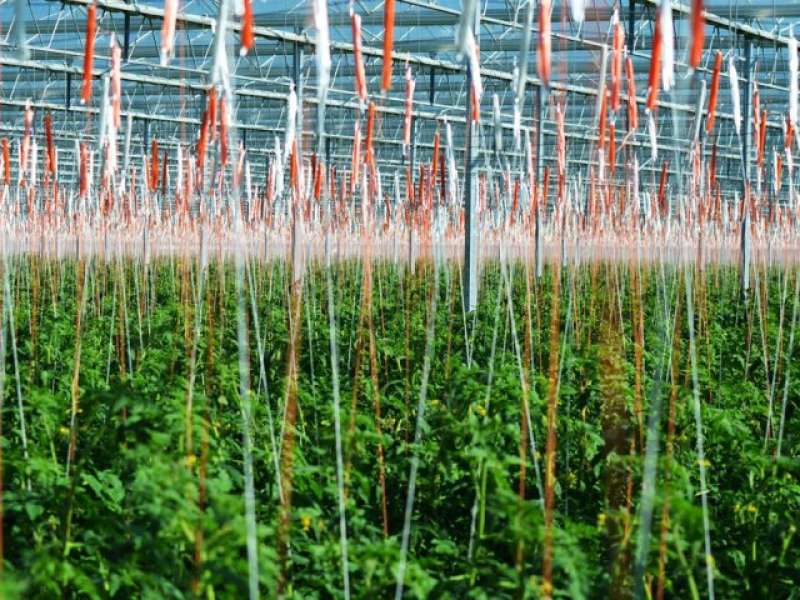
In autumn, crop growth slows down due to reduced daylight, which is why crop rotation takes place during this period. From December onward, the plants grow approximately 12 centimeters per week. In summer, growth can even reach 25 centimeters per week. Over the course of a year, the entire plant grows to a length of around 12 meters.
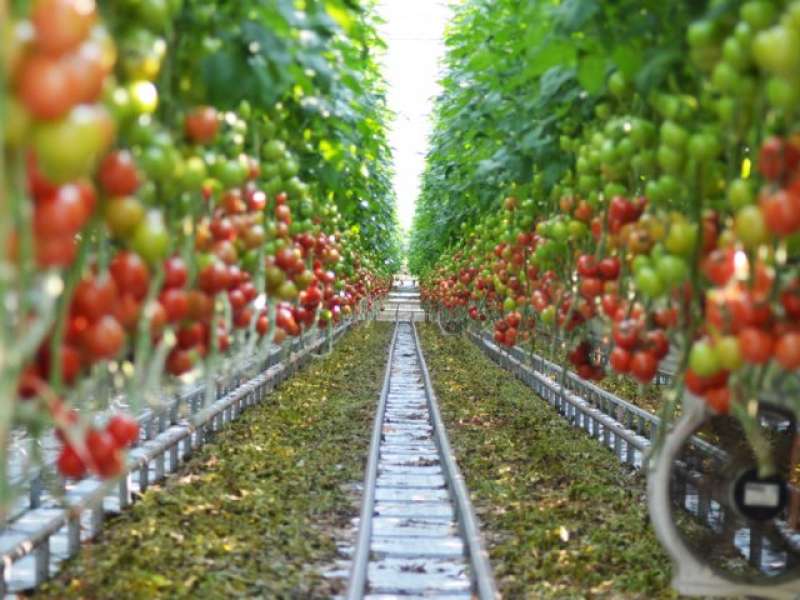
Growing Process
Around the end of October, the tomato plants are propagated by a specialized grower, Noordam Plants. After approximately 45 days, the young plants are transferred to our greenhouse in Honselersdijk.
There, they are placed on rockwool slabs and supplied with water and nutrients through a drip irrigation system. This allows optimal control over the growth and development of the plants.
After approximately 15 weeks, the tomatoes develop their rich red color and the first tomatoes are ready to be harvested.
Crop Maintenance Activities
End of Cultivation